


Set-top box for Digital TV Reception
Set-Top Box for Digital TV Reception A set-top box (STB) for digital TV reception is an essential device that enables users to access digital television broadcasts on analog or digital-ready TVs. It acts as an intermediary between the broadcast signal and the television, converting digital signals into a format that the TV can display. With the transition from analog to digital broadcasting worldwide, set-top boxes have become a crucial tool for ensuring compatibility and enhancing viewing experiences. Key Features and Functions 1. Signal Decoding The primary function of a digital set-top box is to decode digital signals received via terrestrial (DTT), satellite (DTH), cable, or internet (IPTV) sources. It processes compressed digital data, such as MPEG-2 or MPEG-4 streams, and converts them into audio and video outputs compatible with the TV. 2. High-Definition (HD) and Ultra HD Support Modern STBs support high-definition (HD) and even 4K Ultra HD resolutions, delivering superior picture quality compared to standard definition. They also often include HDR (High Dynamic Range) support for richer colors and contrast. 3. Electronic Program Guide (EPG) An EPG provides an on-screen schedule of current and upcoming programs, allowing users to browse channels, check program details, and set reminders or recordings. 4. Recording and Time-Shifting Many digital set-top boxes come with built-in storage or USB ports for connecting external hard drives, enabling users to record live TV and watch it later. Time-shifting features allow pausing and rewinding live broadcasts. 5. Smart Features and Connectivity Advanced STBs offer internet connectivity, supporting streaming apps like YouTube, Netflix, and other OTT (Over-The-Top) services. Wi-Fi and Ethernet options provide flexibility in network connections. 6. Multiple Connectivity Options STBs typically include HDMI, AV, USB, and sometimes optical audio outputs to ensure compatibility with various TV models and home theater systems. Benefits of Using a Digital Set-Top Box - Improved Picture and Sound Quality: Digital signals provide clearer images and better audio compared to analog broadcasts. - More Channels: Digital broadcasting allows for multiplexing, meaning more channels can be transmitted within the same bandwidth. - Interactive Services: Some STBs support interactive features like video-on-demand (VOD), gaming, and online browsing. - Future-Proofing: As broadcasters phase out analog signals, a digital STB ensures continued access to TV services. Conclusion A digital TV set-top box is a versatile and necessary device for modern television viewing. It bridges the gap between older TV models and new digital broadcasts while offering advanced features like recording, streaming, and high-definition playback. As broadcasting technology evolves, STBs continue to enhance the way users consume digital content.
Products
Category:
-
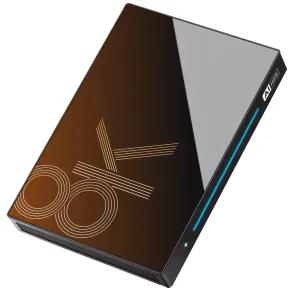
Set-top box for Digital TV Reception
Category: Set-top boxBrowse number: 5Number:Release time: 2026-01-05 08:56:12A set-top box for Digital TV Reception enables reliable decoding of terrestrial, cable, or satellite broadcast signals and converts them into high-quality audio and video output for modern displays. Designed to support digital broadcasting standards, it integrates advanced tuner technology, stable demodulation, and efficient video decoding to ensure clear reception and consistent performance. These devices are widely used in residential television systems, hospitality networks, and commercial media distribution environments. With structured hardware design and robust firmware support, a set-top box for Digital TV Reception plays a key role in delivering stable digital broadcasting experiences across diverse usage scenarios.
News
Category:
-
[Company News]Smart Set-Top Box with Wi-Fi and Bluetooth Connectivity
2026-01-10 09:04:21
Case
Category:
No search results found!
Video
Category:
No search results found!
Download
Category:
No search results found!
Job
Category:
No search results found!
Featured Products
-
NEWS
Set-top box for Digital TV Reception
Learn more



 WhatsApp
 Phone
Phone